
About This Treatment
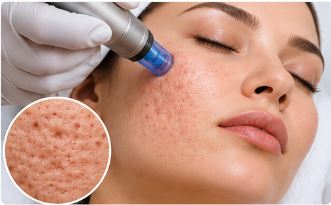
Acne scars can develop following inflammatory or severe acne and may appear as depressed or raised scars, uneven texture, or changes in skin appearance. Different scar types respond to different treatments, so a dermatologist first evaluates the type, depth, location, and severity of the scars.
Depending on the individual case, treatment options may include microneedling, fractional laser resurfacing, subcision, chemical peels, radiofrequency-based procedures, dermal fillers, or combinations of treatments.
The treatment plan is customized according to the patient's skin type, scar characteristics, active acne status, previous treatments, and desired improvement. Multiple sessions may be required, and improvement generally develops gradually.
Benefits
Helps improve the appearance of acne scars
Can improve uneven skin texture
May reduce the appearance of depressed scars
Can improve the appearance of enlarged pores
Helps create smoother-looking skin
Treatment can be customized according to scar type
Different procedures can be combined when appropriate
May improve overall skin texture and appearance
Can be used for selected facial and body acne scars
Procedure
1. Dermatological Assessment
The dermatologist examines the skin and identifies the type, depth, and severity of acne scars.
2. Treatment Planning
An individualized treatment plan is prepared based on scar type, skin type, active acne, previous treatments, and overall skin condition.
3. Skin Preparation
The treatment area is cleansed. Depending on the procedure, a topical numbing cream or other preparation may be used.
4. Selected Procedure
The appropriate technique may include microneedling, fractional laser treatment, subcision, chemical peeling, radiofrequency treatment, fillers, or another dermatologist-recommended procedure.
5. Post-Treatment Care
Soothing products and sunscreen may be applied. The dermatologist provides specific instructions for skincare during recovery.
6. Follow-Up
Multiple treatment sessions may be recommended depending on the type and severity of the scars and the response to treatment.
Recovery
Recovery depends on the procedure performed.
Temporary effects may include:
Redness
Mild swelling
Skin sensitivity
Warmth
Mild peeling or dryness
Temporary skin irritation
Recovery may range from minimal downtime to several days or longer depending on the treatment.
Aftercare
Use sunscreen as recommended.
Avoid unnecessary direct sun exposure.
Keep the skin moisturized.
Avoid picking or scratching the treated area.
Avoid harsh exfoliation until advised.
Use only recommended skincare products during the recovery period.
Follow all post-treatment instructions provided by your dermatologist.