
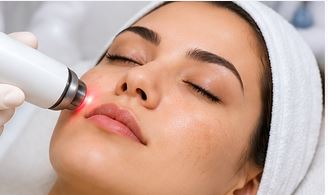
About This Treatment
Laser toning is a non-invasive laser-based treatment that uses controlled light energy to target excess pigmentation in the skin. It may be considered for concerns such as melasma, sun-induced pigmentation, freckles, dark spots, and uneven skin tone.
The dermatologist evaluates the patient's skin type, pigmentation pattern, medical history, and previous treatments before selecting the appropriate laser settings. Treatment intensity and the number of sessions are customized according to the individual.
Laser toning may be used as part of a broader pigmentation-management plan that can include sun protection, topical medications, chemical peels, or other dermatological procedures when appropriate.
Benefits
Helps improve selected pigmentation concerns
May reduce the appearance of dark spots
Can help improve uneven skin tone
May be used as part of melasma management
Can improve the appearance of sun-induced pigmentation
Non-surgical treatment
Generally involves minimal downtime
Treatment parameters can be customized to the patient's skin
May be combined with other pigmentation treatments when appropriate
Procedure
1. Skin Assessment
The dermatologist examines the pigmentation and evaluates skin type, previous treatments, medications, and skincare routine.
2. Skin Preparation
The treatment area is cleansed to remove makeup, oil, and impurities.
3. Eye Protection
Appropriate protective eyewear is provided to protect the eyes during the laser procedure.
4. Laser Application
The dermatologist applies controlled laser pulses to the selected treatment area. The laser settings are adjusted according to the patient's skin and pigmentation.
5. Post-Treatment Care
A soothing moisturizer and sunscreen may be applied, depending on the treatment protocol.
6. Follow-Up
Multiple sessions may be recommended depending on the pigmentation, response to treatment, and treatment goals.
Recovery
Use sunscreen as recommended by your dermatologist.
Avoid excessive sun exposure.
Keep the skin moisturized.
Avoid harsh exfoliation immediately after treatment.
Avoid irritating skincare products if advised.
Do not scratch or rub the treated area.
Follow your dermatologist's post-treatment instructions.
Avoid excessive sun exposure.
Keep the skin moisturized.
Avoid harsh exfoliation immediately after treatment.
Avoid irritating skincare products if advised.
Do not scratch or rub the treated area.
Follow your dermatologist's post-treatment instructions.