
About This Treatment
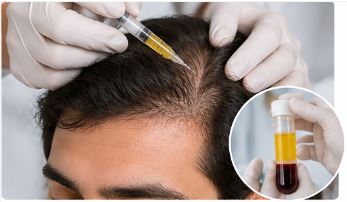
PRP for hair growth is a minimally invasive procedure in which a small amount of the patient's blood is collected and processed to concentrate the platelets and plasma. The prepared PRP is then injected into selected areas of the scalp.
Platelets contain growth factors and other substances involved in tissue repair. PRP has been studied as a treatment option for certain types of hair loss, particularly androgenetic alopecia (pattern hair loss).
A dermatologist first evaluates the cause and pattern of hair loss because PRP is not appropriate for every type of hair loss. It may be used as part of a broader treatment plan that can include prescribed medications, topical treatments, or other procedures.
Multiple sessions may be recommended, and results vary between individuals.
Benefits
May help reduce hair shedding in selected patients
May support hair follicle activity
Can improve the appearance of hair density in suitable cases
May improve hair thickness in some patients
Uses the patient's own blood components
Minimally invasive treatment
Generally requires little downtime
Can be combined with other hair-loss treatments when appropriate
Suitable for selected male and female pattern hair-loss cases
Procedure
1. Consultation
The dermatologist evaluates the pattern and cause of hair loss and may review medical history, medications, nutritional factors, and previous treatments.
2. Blood Collection
A small amount of blood is collected from the patient's arm.
3. PRP Preparation
The blood sample is processed using a centrifuge or other appropriate system to separate and concentrate the platelet-rich plasma.
4. Scalp Preparation
The selected scalp areas are cleaned and prepared. A topical numbing treatment may be used when appropriate.
5. PRP Injection
The prepared PRP is injected into selected areas of the scalp using multiple small injections.
6. Post-Treatment Care
The scalp is assessed after the procedure and the patient receives instructions regarding hair washing, scalp products, medications, and other aftercare.
7. Follow-Up
A series of treatment sessions may be recommended depending on the diagnosis, treatment protocol, and individual response.
Recovery
PRP treatment generally has minimal downtime.
Temporary effects may include:
Mild redness
Slight swelling
Tenderness
Mild scalp sensitivity
Small injection-site marks
These effects generally settle within a short period.
Aftercare
Follow your dermatologist's scalp-care instructions.
Avoid rubbing or scratching the treated area.
Avoid strenuous activity if advised.
Follow instructions regarding hair washing.
Avoid applying irritating scalp products immediately after treatment.
Take prescribed medications only as directed.
Attend recommended follow-up sessions.