About This Treatment
Laser hair reduction is a non-surgical cosmetic dermatology procedure that uses controlled laser energy to target the pigment in hair follicles. The absorbed energy heats the follicle and can reduce its ability to produce hair.
It can be used for unwanted hair on areas such as the face, upper lip, chin, underarms, arms, legs, back, chest, and bikini area. The choice of laser and treatment settings depends on factors including skin tone, hair colour, hair thickness, treatment area, and individual response.
Because hair grows in different phases, multiple treatment sessions are generally required. Some patients may also require maintenance sessions over time.
A dermatologist evaluates the skin and hair before treatment and selects an appropriate treatment protocol to help achieve effective and safe hair reduction.
Benefits
Helps reduce unwanted facial and body hair
Provides longer-lasting hair reduction than temporary hair removal methods
Can reduce the need for frequent shaving or waxing
May help reduce problems associated with repeated shaving
Can treat multiple body areas
Treatment settings can be customized according to skin and hair characteristics
Generally involves little downtime
Sessions are relatively quick for many treatment areas
Can be used for both facial and body hair
Procedure
1. Consultation
The dermatologist evaluates the treatment area, skin type, hair colour, hair thickness, medical history, and previous hair-removal methods.
2. Skin Preparation
The treatment area is cleansed. Depending on the treatment plan, the hair may need to be trimmed or shaved before the session.
3. Eye Protection
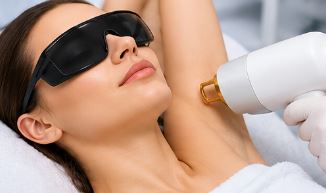
Protective eyewear is provided to protect the eyes from the laser light.
4. Laser Application
The dermatologist or trained professional applies controlled laser pulses to the selected treatment area. The laser settings are adjusted according to the individual's skin and hair characteristics.
5. Cooling
A cooling system or cooling gel may be used depending on the laser technology and treatment area to improve comfort and protect the skin.
6. Post-Treatment Care
A soothing product may be applied after treatment. The dermatologist provides instructions regarding skincare and sun protection.
7. Follow-Up Sessions
Additional sessions are generally required because laser treatment is most effective when hairs are in suitable growth phases.
Recovery
Laser hair reduction generally requires little or no downtime.
Temporary effects can include:
Mild redness
Warmth
Slight swelling around hair follicles
Temporary skin sensitivity
These effects generally settle relatively quickly.
Aftercare
Avoid unnecessary direct sun exposure.
Use broad-spectrum sunscreen as recommended.
Avoid tanning before and after treatment.
Keep the treated area clean and moisturized.
Avoid harsh exfoliation immediately after treatment.
Follow the dermatologist's specific aftercare instructions.
Avoid picking or scratching irritated areas.
Frequently Asked Questions
Is laser hair reduction safe?
Laser hair reduction can be safely performed when an appropriate laser and treatment settings are selected for the patient's skin and hair characteristics by a qualified professional.